
"Strictly Soft coffee"
1000 article(s) found
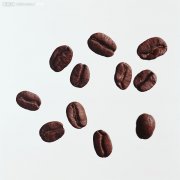
Grading defective beans according to the proportion of sieve and defective beans is an important factor that destroys the flavor of the final coffee.
Boutique coffee (specialty coffee) is also called specialty coffee selection coffee. It refers to coffee made from a small number of raw beans with excellent taste grown in an ideal geographical environment. Depending on the special soil and climatic conditions in which they grow, they have outstanding flavor. After strict selection and classification, this kind of coffee is hard in texture, rich in taste and stylish.
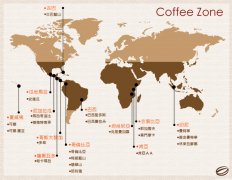
The flavor of El Salvador boutique coffee beans Central and South American coffee beans
Coffee in El Salvador is grown mostly by small farmers, who grow it in the traditional way: almost 100% shade. The coffee harvest lasts from November to March. The fresh fruit of coffee is picked by hand. On the whole, Salvadoran coffee inherits the mild quality of Sino-American coffee, which is soft, slightly sour and beautiful.
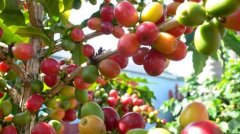
Learn about Salvadoran Coffee growing El Salvador Fine Coffee
Coffee in El Salvador is grown mostly by small farmers, who grow it in the traditional way: almost 100% shade. The coffee harvest lasts from November to March. The fresh fruit of coffee is picked by hand. On the whole, Salvadoran coffee inherits the mild quality of Sino-American coffee, which is soft, slightly sour and beautiful.
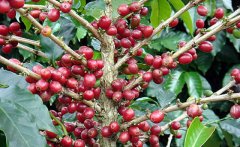
Nicaraguan Honey processed Red bourbon Coffee Raw Bean Jim Molina Manor Fine Coffee
Coffee in El Salvador is grown mostly by small farmers, who grow it in the traditional way: almost 100% shade. The coffee harvest lasts from November to March. The fresh fruit of coffee is picked by hand. On the whole, Salvadoran coffee inherits the mild quality of Sino-American coffee, which is soft, slightly sour and beautiful.
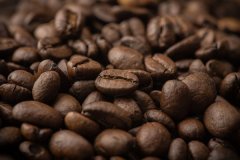
The origin rating system of Brazilian boutique coffee quality grading of Brazilian coffee quality of Brazilian coffee
The grading system of Brazilian coffee is very extraordinary, according to the results obtained by the Brazilian cup test as the primary basis for grading, rather than like most other coffee beans, it will refer to altitude, bean size, and so on. So when we choose to buy Brazil, we often add a number of coffee beans to name its size. The so-called mesh number is the size of the screen.
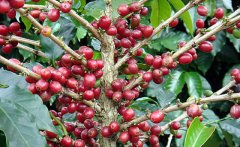
Boutique coffee single Ataisi Manor in El Salvador
Coffee in El Salvador is grown mostly by small farmers, who grow it in the traditional way: almost 100% shade. The coffee harvest lasts from November to March. The fresh fruit of coffee is picked by hand. On the whole, Salvadoran coffee inherits the mild quality of Sino-American coffee, which is soft, slightly sour and beautiful.
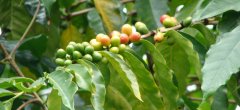
Ataisi Manor Pacamara single Black Coffee in El Salvador
Coffee in El Salvador is grown mostly by small farmers, who grow it in the traditional way: almost 100% shade. The coffee harvest lasts from November to March. The fresh fruit of coffee is picked by hand. On the whole, Salvadoran coffee inherits the mild quality of Sino-American coffee, which is soft, slightly sour and beautiful.

Nicaraguan honey treats red bourbon boutique coffee Jim Molina Manor
Coffee in El Salvador is grown mostly by small farmers, who grow it in the traditional way: almost 100% shade. The coffee harvest lasts from November to March. The fresh fruit of coffee is picked by hand. On the whole, Salvadoran coffee inherits the mild quality of Sino-American coffee, which is soft, slightly sour and beautiful.
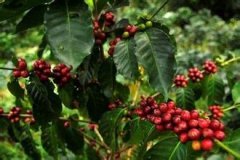
Ataisi Manor Pacamara American Fine Coffee in El Salvador
Coffee in El Salvador is grown mostly by small farmers, who grow it in the traditional way: almost 100% shade. The coffee harvest lasts from November to March. The fresh fruit of coffee is picked by hand. On the whole, Salvadoran coffee inherits the mild quality of Sino-American coffee, which is soft, slightly sour and beautiful.

Single pure black coffee El Ataisi Manor washing Pacamara Pacamara
Coffee in El Salvador is grown mostly by small farmers, who grow it in the traditional way: almost 100% shade. The coffee harvest lasts from November to March. The fresh fruit of coffee is picked by hand. On the whole, Salvadoran coffee inherits the mild quality of Sino-American coffee, which is soft, slightly sour and beautiful.
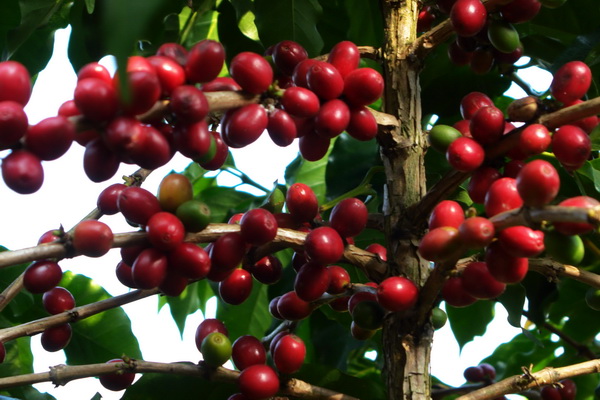
El Salvador Ataisi Manor Pacamara boutique new beans, coffee, raw beans
Coffee in El Salvador is grown mostly by small farmers, who grow it in the traditional way: almost 100% shade. The coffee harvest lasts from November to March. The fresh fruit of coffee is picked by hand. On the whole, Salvadoran coffee inherits the mild quality of Sino-American coffee, which is soft, slightly sour and beautiful.
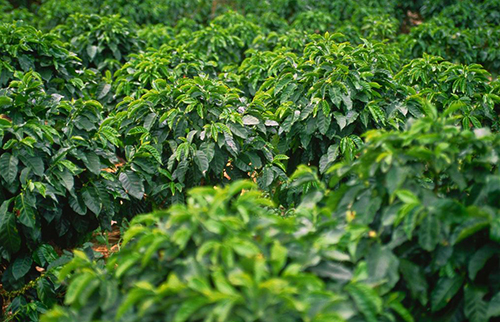
Fine coffee, high quality washed raw beans, El Salvador Ataisi Manor Pacamara.
Coffee in El Salvador is grown mostly by small farmers, who grow it in the traditional way: almost 100% shade. The coffee harvest lasts from November to March. The fresh fruit of coffee is picked by hand. On the whole, Salvadoran coffee inherits the mild quality of Sino-American coffee, which is soft, slightly sour and beautiful.

El Ataisi Estate Pacamara Cooked Bean Boutique Coffee
Coffee cultivation in El Salvador is mostly smallholder, with farmers following traditional methods: almost 100 per cent shade cultivation. The coffee harvest lasts from November to March. All are hand-picked to harvest fresh coffee. Overall, Salvadoran coffee inherits the mild qualities of Central American coffee, overall soft, slightly sour, with a nice

El Salvador Ataisi Manor Pacamara Pacamara boutique black coffee
Coffee in El Salvador is grown mostly by small farmers, who grow it in the traditional way: almost 100% shade. The coffee harvest lasts from November to March. The fresh fruit of coffee is picked by hand. On the whole, Salvadoran coffee inherits the mild quality of Sino-American coffee, which is soft, slightly sour and beautiful.

Origin rating system of Brazilian Coffee
The grading system of Brazilian coffee is very extraordinary, according to the results obtained by the Brazilian cup test as the primary basis for grading, rather than like most other coffee beans, it will refer to altitude, bean size, and so on. So when we choose to buy Brazil, we often add a number of coffee beans to name its size. The so-called mesh number is the size of the screen.
Ataisi Manor in El Salvador
Coffee in El Salvador is grown mostly by small farmers, who grow it in the traditional way: almost 100% shade. The coffee harvest lasts from November to March. The fresh fruit of coffee is picked by hand. On the whole, Salvadoran coffee inherits the mild quality of Sino-American coffee, which is soft, slightly sour and beautiful.

Taste-first origin rating system Brazilian coffee is divided into five grades
The grading system of Brazilian coffee is very special, which is based on the results of the Brazilian cup test as the main basis for grading, rather than referring to altitude, bean size, and so on, as most other coffee beans do. So when we choose and buy Brazil, we often add the number of coffee beans to show its size.

Ataisi Manor in El Salvador washes Pacamara Pacamara in microbatches
Coffee in El Salvador is grown mostly by small farmers, who grow it in the traditional way: almost 100% shade. The coffee harvest lasts from November to March. The fresh fruit of coffee is picked by hand. On the whole, Salvadoran coffee inherits the mild quality of Sino-American coffee, which is soft, slightly sour and beautiful.
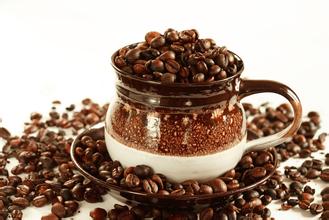
The first experience of AA coffee beans in Tanzania
Tanzania coffee beans are absolutely comparable to neighboring Kenya, but the quality of coffee in the country is not strictly controlled, and carelessness in many processes often destroys the quality of coffee (such as transportation). Good quality Tanzanian coffee beans are divided into AA and A grade the raw beans of this Tanzanian AA coffee bean look neat and have a delightful light green. Baked Tanzania AA